
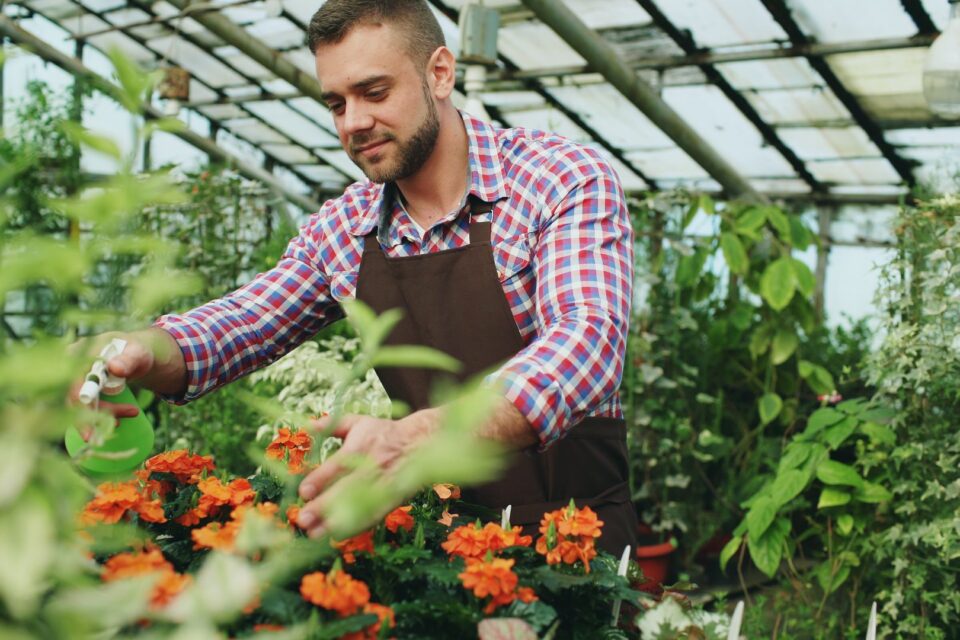
Have you ever looked at a beautiful garden and wondered how the plants stay so healthy and vibrant? You might assume the secret involves expensive fertilizers, fancy gardening equipment, or years of experience. However, the biggest difference often comes from small habits repeated consistently. Simple habits like checking the soil before watering, removing dead leaves, and regularly observing your plants can completely change how your garden looks and grows. Whether you’re caring for a few potted plants or maintaining a large outdoor garden, these little adjustments can help you create a greener, healthier space without making gardening feel like a full-time job.
Check the Soil Before Watering
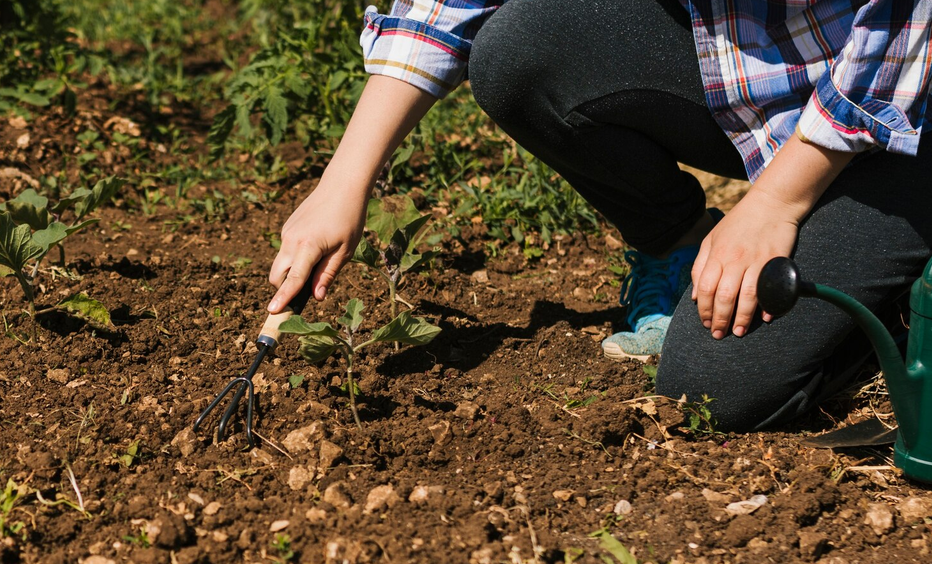
One of the easiest gardening mistakes is watering on a fixed schedule without checking whether plants actually need it. Different plants have different water requirements, and weather conditions can change how quickly soil dries out. Instead of automatically reaching for the watering can every morning, feel the soil with your finger to check its moisture level. If it is still damp, you may be able to wait. This simple habit helps prevent overwatering, which can cause root problems, and ensures your plants get the moisture they need.
Remove Dead Leaves and Flowers Regularly
Taking a few minutes to remove dead leaves, damaged stems, and faded flowers can make your garden look noticeably tidier. It also allows you to inspect plants for early signs of pests or disease. Some flowering plants produce more blooms when you remove spent flowers, though this depends on the species. Use clean gardening scissors when necessary, and avoid cutting healthy growth unnecessarily. Regular maintenance helps you spot problems before they spread and keeps your plants looking cared for without requiring a major gardening session.
Pay Attention to Changing Sunlight
A plant that thrives in one corner of your garden may struggle just a few steps away. Sunlight exposure can vary significantly depending on nearby walls, trees, and buildings. Make it a habit to observe which areas get direct sunlight and which remain shaded throughout the day. If a plant appears weak, stretched, or scorched, its location could be contributing to the problem. Moving movable pots to better positions can make a big difference, while choosing plants that match your garden’s natural light conditions helps avoid unnecessary struggles.
Feed Your Plants Without Overdoing It
Fertilizer can support healthy growth, but adding more doesn’t automatically produce better results. Too much fertilizer can damage roots, encourage excessive leafy growth, or create nutrient imbalances. Get into the habit of checking your plants’ specific needs and following the recommended application rates. Compost can also improve soil structure and provide nutrients over time when used appropriately. Instead of feeding everything indiscriminately, focus on healthy soil and the right nutrients for each plant. This approach can save money while helping your garden grow more consistently.
Inspect Your Plants for Pests
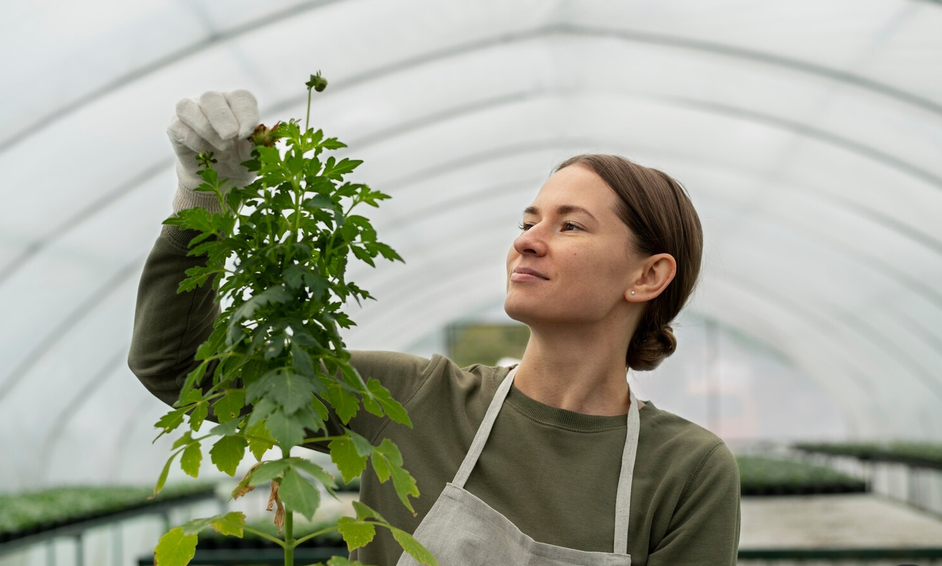
A quick daily walk around your garden can help you catch small problems before they become serious. Look underneath leaves, examine new growth, and check for unusual spots, holes, sticky residue, or curling foliage. These signs may indicate pests, disease, or environmental stress. If you discover a problem, identify the cause before choosing a treatment. In some cases, removing affected leaves or washing off certain pests may be enough. Regular observation also helps you avoid unnecessary pesticide use and gives vulnerable plants a better chance of recovering early.
Keep Gardening Tools Clean
Cleaning your gardening tools may seem like a minor task, but it can protect your plants and make routine maintenance easier. Soil and plant residue can build up on pruning shears, trowels, and other equipment. Cleaning tools after use helps prevent rust and reduces the risk of transferring certain plant diseases between plants. Sharp, well-maintained cutting tools also make cleaner cuts when you need to prune. You don’t need an elaborate tool collection; keeping a few essential items clean and ready can make gardening more efficient.
A beautiful garden doesn’t always require expensive products or hours of hard work. Often, the secret lies in paying attention to small details and developing habits you can maintain over time. Checking soil moisture, removing dead growth, observing sunlight, feeding plants appropriately, and inspecting for pests can all contribute to healthier plants and a more attractive outdoor space. Start with one or two changes and build your routine gradually. With consistent care and a little patience, those tiny habits can turn an ordinary garden into a space you’ll genuinely enjoy watching grow.